
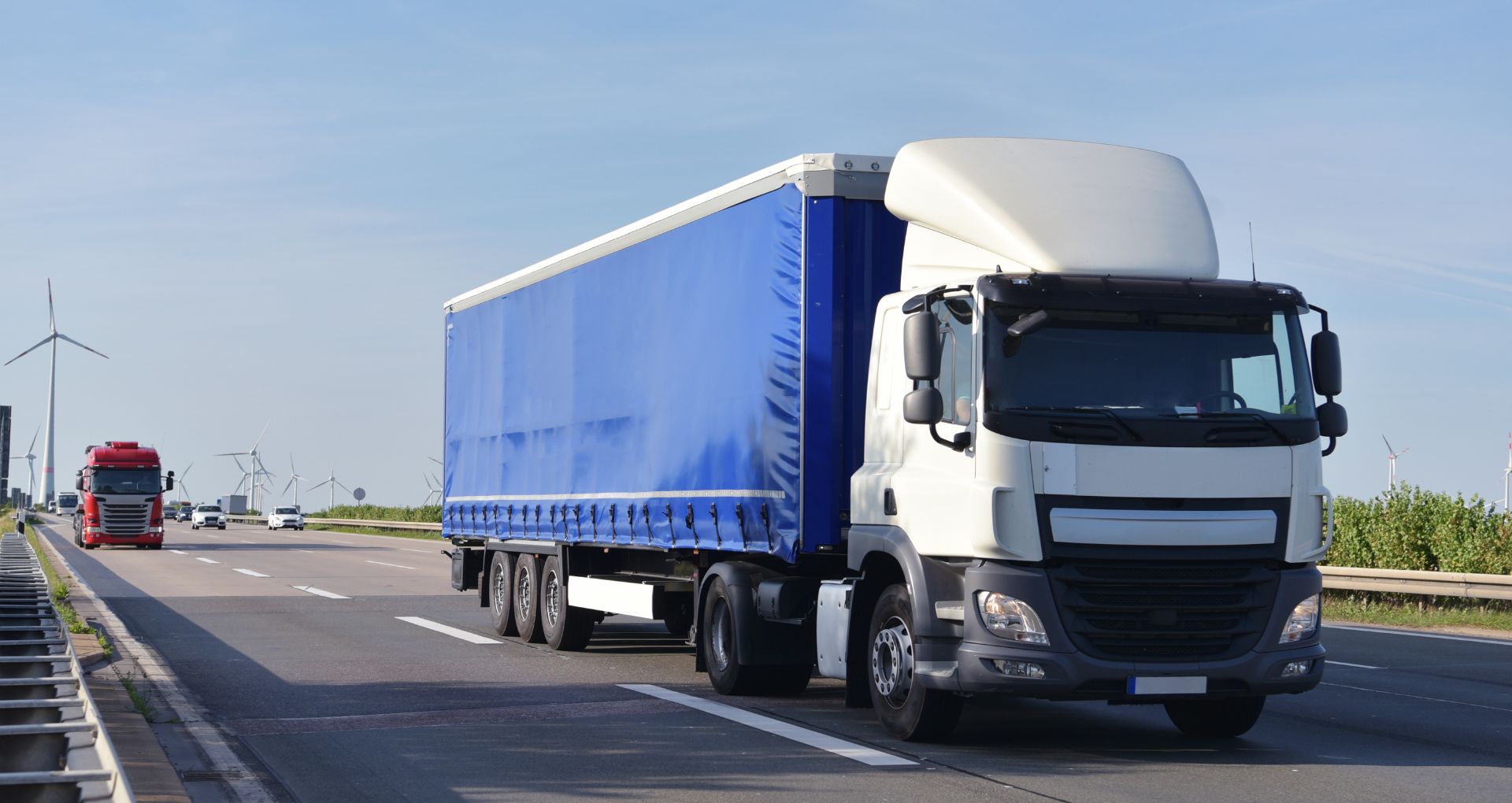
Open vs. Enclosed Car Transport: Which Option Is Right for You?
When it comes to moving your vehicle across the country or even just a few states, choosing the right type of transport can make all the difference. The two main methods of vehicle shipping—open car transport and enclosed car transport—offer distinct benefits depending on your budget, vehicle type, and shipping needs.
In this guide, we’ll break down how each works, what they cost, and which one is the best fit for you.
What Is Open Car Transport?
Open car transport is the most common and affordable method of vehicle shipping in the U.S. Cars are loaded onto an open trailer, typically holding between 7 and 10 vehicles at once. These are the same types of trailers you often see delivering new cars to dealerships.
Because it’s the industry standard, open auto shipping is available on more routes and schedules, making it the most convenient option for most customers.
Pros of Open Car Transport
- Lower cost: Open transport is typically 30–40% cheaper than enclosed shipping.
- Faster availability: More carriers operate open trailers, so pickup and delivery times are quicker.
- Flexible scheduling: Ideal if you need your car shipped within a specific timeframe.
- Reliable and safe: Despite being exposed to the elements, open transport is very safe, with damage occurring in less than 2% of shipments.
Cons of Open Car Transport
- Exposure to weather: Vehicles are open to rain, sun, and road dust.
- Limited protection: Not recommended for high-value or classic cars.
What Is Enclosed Car Transport?
Enclosed car transport provides the highest level of protection available in the auto shipping industry. Vehicles are transported inside a fully covered trailer, shielded from weather, debris, and prying eyes.
This option is often chosen for luxury, exotic, or collector vehicles that require extra care during transit.
Pros of Enclosed Car Transport
- Full protection: Your car is completely covered from dust, rain, and UV exposure.
- Extra security: Enclosed trailers are less visible and often include lift gates for smooth loading.
- High-value focus: Carriers are trained to handle luxury, vintage, and performance vehicles.
- Insurance coverage: Most enclosed transporters offer higher insurance limits per vehicle.
Cons of Enclosed Car Transport
- Higher cost: Usually 40–60% more expensive than open shipping.
- Less availability: Fewer enclosed trailers operate nationwide, so scheduling may take longer.
Cost Comparison: Open vs. Enclosed Transport
| Type of Transport | Average Cost (Per Mile) | Typical Use Case |
| Open Transport | $0.60 – $0.80 | Everyday vehicles, SUVs, sedans |
| Enclosed Transport | $1.00 – $1.50 | Luxury, exotic, vintage, or show cars |
Costs vary depending on distance, season, and carrier demand. For most customers, open transport offers the best value, while enclosed transport is ideal for vehicles worth over $100,000 or those needing protection from harsh weather.
When to Choose Open Transport
Choose open car shipping if:
- You’re moving a standard vehicle like a daily driver or family car.
- You want the most cost-effective option.
- You’re flexible on exact delivery conditions (minor road dust or weather exposure).
- You need faster pickup and delivery windows.
When to Choose Enclosed Transport
Choose enclosed car shipping if:
- Your vehicle is rare, luxury, or high-value (e.g., Ferrari, Tesla, vintage Corvette).
- You’re transporting across long distances or harsh climates.
- You need white-glove service with enhanced insurance coverage.
- You want your vehicle to arrive spotless and protected.
Tips for Making the Right Choice
- Evaluate your car’s value: If your vehicle’s condition or worth justifies extra protection, enclosed transport is worth it.
- Check your location and timing: Open carriers are more flexible and can reach more destinations faster.
- Ask for quotes for both: Many customers are surprised to see how small the difference can be, especially for short distances.
- Review insurance coverage: Ensure the transporter offers sufficient protection for your vehicle’s value.
Final Thoughts: Which Option Wins?
Ultimately, there’s no single “best” option—it depends on your needs and priorities.
If you want affordable, efficient, and reliable transport, go with open shipping.
If you prefer maximum protection and peace of mind, enclosed shipping is the way to go.
Either way, choosing a trusted car shipping company like IZQ Logistics ensures your vehicle is handled professionally from pickup to delivery.
Call to Action
Ready to ship your vehicle?
Get a free, no-obligation quote today from IZQ Logistics. Whether you choose open or enclosed car transport, our team will guide you through every step to make your shipping experience smooth, secure, and stress-free.
about
avada factory
Sempery ultricies nibh at dolor cras urna eleifend nec. Atiam efficitur tempor.